

Understanding Your Options in Weight Loss Treatments
Proven Weight Loss Treatments Backed by Medical Research

What if achieving a healthy weight could be supported by more than just willpower? Weight loss treatments encompass evidence-based medical interventions, including prescription medications and surgical procedures, that alter how the body processes energy and stores fat. These therapies work by suppressing appetite, increasing metabolism, or physically limiting food intake, offering an effective solution for individuals with obesity. By addressing physiological barriers to weight loss, these treatments lead to significant, sustainable reductions in body mass and improved metabolic health.
Understanding Your Options in Weight Loss Treatments
When exploring weight loss treatments, it’s crucial to start by mapping what actually suits your body and lifestyle. You’re not just choosing between a pill or a surgery; options range from over-the-counter supplements and prescription medications like GLP-1 agonists to non-invasive procedures like gastric balloons or body contouring. Each pathway carries different time commitments, side effect profiles, and maintenance needs—a quick fix for one person might be a long-term mismatch for another.
The real key? Matching your treatment to your personal health history and daily habits, not just chasing a number on the scale.
Before deciding, sit with a professional who can clarify how each option impacts hunger, metabolism, and your real-world routine. Understanding this landscape helps you pick a route you can actually stick with, avoiding wasted money and frustration down the line.

How Medical Weight Loss Differs from Fad Diets
Medical weight loss differs from fad diets by relying on clinical oversight and evidence-based protocols rather than restrictive, unsustainable rules. A physician assesses your metabolism, hormones, and medical history to tailor interventions like prescribed medications or meal plans. Fad diets often promise rapid results through severe calorie cuts or eliminating entire food groups, leading to nutrient deficiencies and muscle loss. In contrast, medical programs prioritize gradual, safe reduction of body fat while preserving health. Medical weight loss targets the root causes of obesity, such as insulin resistance or thyroid issues, ensuring long-term maintenance rather than the rebound weight gain common with fad approaches.
Q: Is medical weight loss simply a more expensive version of a fad diet?
A: No. While fad diets are generic and short-term, medical weight loss personalizes treatment based on lab work and ongoing monitoring, addressing biological factors that make standard diets fail.
Who Qualifies as a Good Candidate for These Programs
A good candidate for these weight loss programs is typically someone with a body mass index over 30, or over 27 if they have a weight-related condition like high blood pressure or type 2 diabetes. You should have tried diet and exercise without lasting success and be ready for a structured, long-term commitment. Ideal candidates are also free from uncontrolled eating disorders or untreated thyroid issues. If you’re not pregnant, breastfeeding, or planning surgery soon, and you can attend regular check-ins, these programs might be a solid fit for your next step.
What Realistic Results Look Like and How Long They Take
Realistic results from weight loss treatments typically mean losing **0.5 to 2 pounds per week** after the initial few weeks. In medical or supervised programs, a sustainable outcome is a 5–10% reduction in total body weight over a three- to six-month period. For prescription medications or low-calorie diets, visible changes often emerge by week 4; surgical options show more significant shifts by month three. Expect plateaus after month four, where progress slows to 0.5–1 pound weekly. Any faster loss usually involves water weight or lean muscle, not sustainable fat reduction. Full, stabilized results—where weight remains off without continuous treatment—can take six to twelve months of consistent effort.
Breaking Down the Main Types of Clinical Weight Loss Approaches
Clinical weight loss approaches fall into three main categories, each with a distinct role. Lifestyle interventions—diet, exercise, and behavioral coaching—form the foundational layer, but for many, they are not enough alone. Pharmacotherapy introduces medications like GLP-1 agonists, which directly dampen appetite and improve metabolic regulation, often used when lifestyle alone hits a plateau. Bariatric procedures, including gastric sleeve or bypass, surgically alter stomach volume or nutrient absorption, delivering the most profound and sustained results for severe obesity. Each path requires a candid conversation with a doctor about your metabolic health and personal habits, because a treatment that works for one patient may fail another. Real people cycle through these tiers, sometimes needing a combination to achieve lasting change, and the most successful outcomes often come from layering medication on top of improved daily routines rather than expecting a single intervention to do all the work.
Prescription Medications: How They Suppress Appetite or Block Fat
Prescription medications for weight loss primarily work through two mechanisms: appetite suppression and fat absorption blockade. GLP-1 receptor agonists, like semaglutide, slow gastric emptying and signal fullness to the brain, reducing calorie intake. Alternatively, lipase inhibitors, such as orlistat, prevent the digestion of dietary fat, causing about a third of consumed fat to pass through the body undigested rather than being stored. These drugs require a prescription because they alter fundamental metabolic pathways and must be used alongside lifestyle changes for safe, effective results.
Q: Do prescription appetite suppressants actually stop hunger, or only reduce it?
A: They significantly reduce physical hunger signals and increase satiety between meals, making it easier to adhere to a calorie deficit.
Non-Surgical Procedures Like Gastric Balloons and Aspiration Therapy
Non-surgical procedures offer a less invasive middle ground for weight loss. A gastric balloon for weight loss is temporarily placed in the stomach, taking up space to create early fullness and reduce meal sizes. Aspiration therapy works by inserting a tube to drain a portion of the stomach contents after eating, cutting calorie absorption. Both require a strict dietary and behavioral commitment, but they avoid permanent anatomical changes.
As temporary tools, gastric balloons and aspiration therapy physically enforce portion control and reduced intake without incisions.
Surgical Interventions: When Gastric Bypass or Sleeve Surgery Makes Sense
Surgical interventions like gastric bypass or sleeve gastrectomy become appropriate when a patient has a body mass index exceeding 40, or above 35 with serious obesity-related conditions like type 2 diabetes or sleep apnea. These procedures are not first-line choices; they make sense after repeated failures with diet, exercise, and medication. Bariatric surgery physically restricts stomach capacity, fundamentally altering hunger hormones and satiety signals. Candidates must commit to lifelong dietary changes and vitamin supplementation. The decision hinges on whether the health risks of obesity outweigh surgical risks. Q: Who is the ideal candidate for gastric sleeve or bypass? A: Someone with severe obesity who has exhausted non-surgical weight loss methods and understands the permanent lifestyle shift required.
What to Expect During a Typical Treatment Session or Plan
Each session typically begins with a check-in, where a provider reviews your weight and body composition. For non-invasive treatments like cool sculpting or laser lipo, you’ll lie comfortably while a device targets specific areas for 30–60 minutes. You might feel a cold or warm sensation but can read or work. Dietary adjustments are often stressed between sessions; plans prescribe high-protein meals to preserve muscle. Injectable plans, like liraglutide, involve weekly shots usually in the abdomen, with a slow dose increase over four weeks to limit nausea. Monthly progress logs are mandatory so the provider can tweak calories or exercise minutes. Most plans run 12 weeks, with a final session focused on calorie-counting habits to prevent regain.
The Initial Consultation and Metabolic Assessment Process
The initial consultation begins with a comprehensive metabolic assessment, where clinicians evaluate resting metabolic rate via indirect calorimetry and analyze body composition through bioelectrical impedance. Blood panels assess thyroid function, insulin resistance, and lipid profiles to identify metabolic barriers. Personalized metabolic baselines are then established, calculating precise caloric deficits and macronutrient ratios. Substrate utilization patterns determine whether a patient metabolizes fats or carbohydrates more efficiently. This data informs tailored pharmacological or nutritional interventions, ensuring the treatment plan aligns with the individual’s unique biochemistry.
The initial consultation and metabolic assessment process establishes a science-backed metabolic profile, forming the foundation for a customized weight loss strategy.
Weekly or Monthly Check-Ins and Progress Monitoring
During your treatment, you’ll have regular weekly or monthly check-ins to track how you’re doing. These sessions focus on weight changes, body measurements, and how you’re adapting to the plan. We’ll review your food logs or activity levels, tweak medication doses if needed, and talk through any hurdles you’ve faced. This consistent progress monitoring helps catch small slip-ups early and keeps you on a steady path toward your goal. It’s a supportive touchpoint to celebrate wins, adjust strategies, and stay accountable without any pressure—just honest, helpful feedback to keep moving forward.
How the Plan Adjusts Based on Your Body’s Response
Your progress is continuously monitored, so your plan is never static. If your weight loss plateaus, dosages of medications like semaglutide are titrated upward or split to overcome metabolic adaptation. Conversely, rapid fat loss may trigger a temporary calorie increase to preserve muscle and prevent hormonal crashes, while plateauing for weeks would prompt shifting your macronutrient ratios or activity intensity. This constant feedback loop between your body and the protocol means your treatment becomes fully personalized. Adjustments happen in real time, ensuring you always work within your optimal metabolic zone rather than forcing a rigid, one-size-fits-all schedule.
Key Benefits Beyond Just Dropping Pounds
The most transformative impact of weight loss treatments extends well beyond the scale, delivering profound improvements in metabolic health. Many patients experience significant reductions in blood pressure and improved cholesterol profiles, often reducing or eliminating the need for maintenance medications. A critical benefit is the marked enhancement in insulin sensitivity, which can prevent or even reverse type 2 diabetes. This metabolic reset frequently leads to sustained energy levels throughout the day, as the body processes fuel more efficiently without dramatic sugar crashes. Furthermore, the reduction of visceral fat—a key driver of systemic inflammation—directly alleviates joint pain and improves mobility. These biological shifts create a positive feedback loop: better physical function encourages more activity, which further reinforces the treatment’s efficacy, making long-term health maintenance far more attainable than with weight loss alone.
How These Treatments Can Improve Blood Sugar and Cholesterol
Beyond weight reduction, these treatments directly target metabolic dysfunction. By enhancing insulin sensitivity, they prompt your cells to clear blood sugar more efficiently, often normalizing fasting glucose. Simultaneously, they can lower LDL cholesterol and triglycerides while boosting HDL levels. This dual action disrupts the cycle of insulin resistance and fat storage, creating a powerful metabolic reset. Cardiometabolic health improvements like these often appear before significant weight loss occurs, offering tangible protection against diabetes and heart disease.

These treatments improve blood sugar and cholesterol by enhancing insulin sensitivity, lowering LDL and triglycerides, and raising HDL, creating a powerful metabolic reset independent of weight loss.
The Psychological Lift from Structured, Medical Support
Structured, medical support transforms weight loss from a solitary struggle into a shared clinical journey, alleviating the mental burden of constant self-management. Patients report a significant psychological lift from knowing a professional monitors their progress and adjusts treatment plans. This accountability within a medical framework reduces anxiety about plateaus or side effects, as decisions are guided by expertise rather than willpower. The scheduled check-ins and clear protocols provide emotional predictability, replacing shame over perceived failures with data-driven adjustments. This consistent, non-judgmental oversight builds resilience, making the process feel manageable rather than overwhelming.
Long-Term Weight Maintenance Strategies Built into the Program

Effective weight loss treatments now integrate sustainable habit reinforcement as a core long-term maintenance strategy. Programs typically shift focus from rapid calorie restriction to gradual metabolic stabilization, teaching users to adjust portion sizes and macronutrient ratios as their body composition changes. Structured meal-timing protocols and built-in food-logging features help identify and correct behavioral drift before significant regain occurs. Many incorporate periodic “reset” phases that gently reapply initial intervention methods for two to four weeks, preventing weight creep. These mechanisms ensure that physiological adaptations, such as lowered resting metabolism, are continuously countered through programmed dietary and activity adjustments, rather than relying on willpower alone.
Tips for Choosing and Succeeding With a Weight Loss Plan
To succeed with a weight loss plan involving medical treatments, first verify that your chosen treatment aligns with your specific health profile and metabolic needs. Prioritize plans that include professional monitoring, as this ensures safety and allows for dosage adjustments. Integrate lifestyle changes immediately; treatments are tools, not replacements for diet and exercise.
A crucial insight: consistency in daily habits amplifies treatment efficacy far more than any single intervention.
Track non-scale victories like energy levels and clothing fit. If plateaus occur, reassess your plan with your provider rather than abandoning it. Finally, commit for a minimum of three months to allow biological adaptation and sustainable habit formation.
Questions to Ask Your Provider Before Starting Any Treatment
Before committing to any weight loss treatment, ask your provider to clarify the specific mechanism of the proposed therapy—whether it suppresses appetite, blocks absorption, or alters metabolism. Inquire about the expected timeline for visible results and the criteria used to determine if the treatment is effective for you. You must also ask about potential side effects, both common and rare, and how they will be managed. Finally, request clear details on long-term maintenance requirements, including whether the treatment is intended for indefinite use or has a defined endpoint.
When choosing a weight loss treatment, always ask about its mechanism, expected results, side effects, and long-term maintenance requirements.
Combining Lifestyle Changes With Medical Intervention for Best Results
To achieve optimal outcomes from weight loss treatments, pairing lifestyle changes with medical intervention is non-negotiable. Begin by strictly following your prescribed medication or procedure protocol. Simultaneously, adopt a calorie-controlled, nutrient-dense diet to amplify metabolic effects. Integrate consistent physical activity—such https://healthmedsjournal.com as moderate cardio and resistance training—to preserve lean mass and enhance energy expenditure. This synergy prevents plateaus and reduces reliance on medical aids over time. Lastly, monitor progress with your provider, adjusting lifestyle variables as treatment phases shift. The sequenced approach ensures sustainable results:
- Adhere to medical regimen precisely.
- Implement dietary modifications for caloric deficit.
- Establish structured exercise routine.
- Track metrics and modify as needed with clinician guidance.
Recognizing Red Flags or Unrealistic Promises in the Marketplace
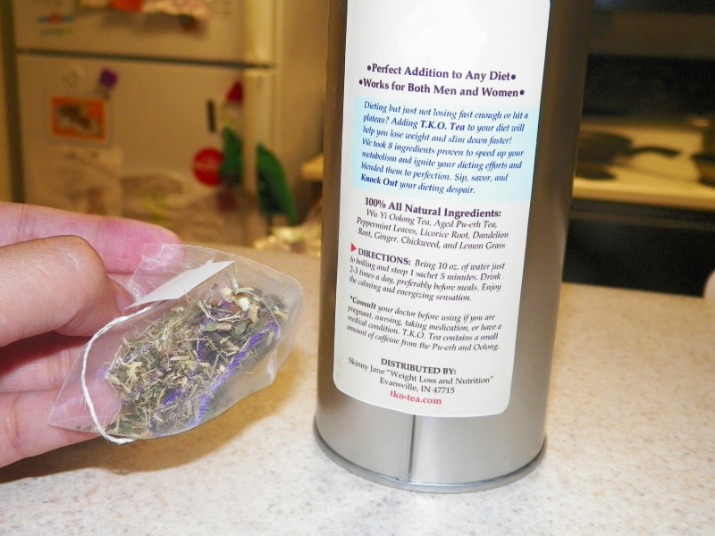
When evaluating weight loss treatments, recognizing red flags or unrealistic promises protects you from financial loss and health risks. Beware of claims like “lose 10 pounds in 3 days” or “eat anything and still lose weight,” as true physiologic change requires sustained caloric deficit and behavioral adaptation. Promises of “melt fat without diet or exercise” ignore energy balance laws; any plan guaranteeing rapid loss without effort is deceptive. Also, avoid programs requiring expensive proprietary supplements or contracts with no refund policy. Q: How can I identify unrealistic promises? A: If a treatment claims miraculous results with minimal effort, contradicts well-established metabolic principles, or lacks peer-reviewed evidence, it is a red flag. Trust only plans that provide transparent, gradual targets.